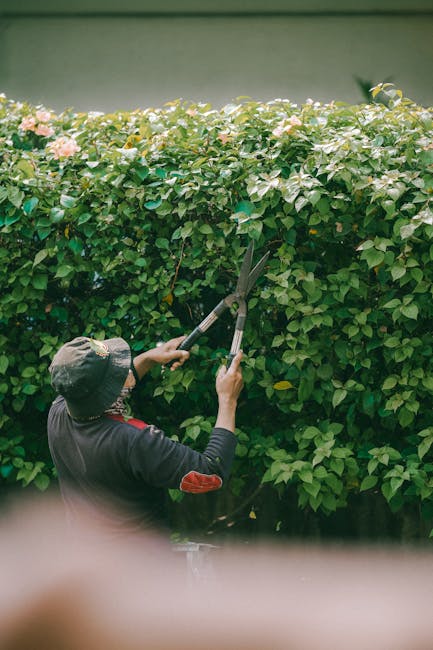
Same day garden emergency gardeners Camberwell: fast, practical help when your garden cannot wait
When a garden goes wrong at the worst possible moment, you need more than a routine tidy-up. You need Same day garden emergency gardeners Camberwell who can turn up quickly, assess the mess, and make the space safe again without adding stress to the day. It might be a fallen branch after a windy night, a blocked path covered in debris, an overgrown front garden that has become a trip hazard, or a boundary issue that needs sorting before visitors arrive. Whatever the trigger, the priority is the same: act fast, reduce risk, and get the garden back under control.
This guide explains what same-day emergency garden work usually involves, how it works, when it makes sense, and what to ask before you book. It also covers practical steps, safety points, common mistakes, and the sort of follow-up work that keeps the problem from returning. If you are in Camberwell and staring at a garden issue that feels urgent, you are in the right place.
Why same day garden emergency gardeners Camberwell matters
Garden emergencies are rarely dramatic in a movie sense. More often, they are a jumble of awkward, ordinary problems that suddenly become urgent. A tree limb brushes a roof. A hedge collapses across the pavement. A storm drops wet branches over a driveway. A neglected front garden becomes so overgrown that access gets awkward, and maybe a bit embarrassing too. In real life, these things matter because they affect safety, access, neighbour relations, and sometimes security.
In a busy part of London, a garden that is blocked or hazardous can create knock-on problems quickly. A path covered in fallen growth becomes slippery. A broken fence panel leaves a property exposed. A large pile of waste after a DIY clearance can attract complaints. Same-day help is valuable because it stops a manageable issue from becoming a bigger, costlier one. Simple as that.
There is also peace of mind. Truth be told, when you are dealing with storm damage or a sudden access problem, you do not want a long back-and-forth. You want someone who understands the job, arrives prepared, and knows how to prioritise. That is where a local emergency gardener earns their keep.
Expert summary: same-day garden emergency work is not just about speed. It is about fast risk reduction, practical judgment, and getting the outside space safe enough for everyday use again.
If the issue is part of a wider tidy-up or you can already see the garden needs more than a one-off rescue, it may be worth looking at garden maintenance once the immediate problem has been dealt with. For larger, messier jobs, garden clearance is often the next sensible step.
How same day garden emergency gardeners Camberwell works
The process is usually more straightforward than people expect. Good emergency garden work is built around quick triage. First, the gardener finds out what has happened, whether there is any immediate danger, and what access is needed. Then they decide what can be done on the day and what may need a second visit.
Most same-day callouts follow a pattern:
- Initial contact and description of the issue. You explain what happened, where it is, and whether anything is unsafe.
- Rapid assessment. The gardener gauges urgency, tools required, and likely time on site.
- Arrival and safety check. They look for hazards such as unstable branches, broken glass, hidden debris, or slippery surfaces.
- Immediate works. This may include cutting back overgrowth, clearing access routes, removing fallen material, or making temporary safe arrangements.
- Waste handling. Debris is gathered, loaded, and removed if agreed.
- Follow-up advice. If the garden needs a fuller tidy, a hedge trim, or more structural work later, you should be told plainly.
A decent same-day service will not overpromise. If a tree looks unsafe or a structure is badly damaged, the right answer may be stabilisation rather than full removal. That is not a delay; it is good judgment. A rushed fix is no fix at all, and nobody wants a second problem by teatime.
For example, if a storm has left overhanging growth tangled with fencing, the job may involve a combination of tree lopping and removal plus light hedge trimming to restore access. If the issue is less dramatic but still urgent, maybe an overgrown front strip or untidy boundary, a targeted lawn mowing or cut-back may be enough.
Key benefits and practical advantages
Same-day garden help is useful for more than one reason. The most obvious benefit is speed, of course, but the practical value goes beyond that. In many cases, a fast response saves time later because the mess is dealt with before it spreads or hardens into a bigger task.
- Safety improvement: Removes trip hazards, obstructed access, unstable growth, and sharp debris.
- Reduced damage: Quick action may limit waterlogging, fencing strain, blocked drainage paths, or plant collapse.
- Better first impression: Useful before viewings, landlord visits, family gatherings, or simply for your own sanity.
- Stress relief: A same-day team can take the burden off your shoulders fast.
- Clearer next steps: Once the emergency is under control, it is easier to plan the longer-term fix.
There is also a practical financial angle. An urgent visit may feel like an extra expense, but in many situations the cost of leaving the problem unresolved is higher. A broken branch left against a fence can cause more damage. A blocked pathway can lead to a complaint, or an accident. Sometimes the cheapest decision is the one made early.
If the job turns out to be more of a refresh than a rescue, it can make sense to move from emergency work into a broader upkeep plan through services overview or ongoing care via garden maintenance. That progression is often smoother than starting from scratch later.
Who this is for and when it makes sense
Same-day garden emergency gardeners in Camberwell are not just for dramatic storm damage. They are useful for a wide range of people and situations, and quite often the urgency is practical rather than extreme.
Common situations where same-day help makes sense
- Storm debris has blocked a path, drive, or side return.
- Branches or hedging are hanging into a neighbour's space.
- An overgrown front garden is affecting access or security.
- A garden has become unsafe for children, visitors, or pets.
- Waste from a recent cut-back or DIY job needs urgent removal.
- A property is being prepared for sale, letting, inspection, or handover.
- Someone has been unable to keep up with growth and needs a reset, not judgment.
Homeowners often call for help when the garden has gone beyond the point of a weekend tidy. Landlords and letting agents may need rapid action to keep a property presentable. Businesses with small outside areas, such as rear access points or planting beds, may need quick clearance to keep the site functional. And yes, sometimes it is simply that a garden has become too much for one person to handle in one go. Happens all the time.
For more complex outdoor spaces, same-day gardeners may work alongside broader landscaping support. If the issue reveals a deeper design or drainage problem, it may be worth exploring landscaping or landscape gardening later, once the immediate risk is gone.
Step-by-step guidance
If you have never booked emergency garden help before, a simple process makes everything easier. You do not need to know every technical term. You just need to explain the problem clearly and make a few sensible choices.
1. Describe the issue plainly
Keep it short and specific. Say what happened, where the problem is, and whether anything is unsafe. A quick photo helps, but even without one, clear words matter. For instance: "A large branch has fallen across the back path and there is broken fencing nearby." That is useful information.
2. Mention access and timing constraints
If someone needs to be home, if there is a locked side gate, or if the job has to happen before a certain time, say so up front. Same-day work is all about coordination. A gardener cannot solve what they do not know.
3. Ask what can be done today
There is a big difference between making a space safe and fully restoring it. Be honest about what matters most. Is it access? Is it waste removal? Is it a dangerous branch? A good emergency response usually focuses on the highest-risk items first.
4. Confirm waste handling
Garden emergencies often create a surprising amount of material. Wet branches, hedge cuttings, leaf piles, awkward timber, muddy bags. Ask how waste will be managed, whether it will be removed the same day, and whether any items need to be separated.
5. Agree the priority order
In a proper emergency, not everything gets done at once. Priorities usually look like this: safety, access, clearance, tidy finish. That order is worth remembering.
6. Make a note of the outcome
Once the immediate job is done, note what remains. Maybe the garden needs a fuller clearance, stump work, fence repair, or just a routine follow-up. A 10-minute conversation at the end can save you a lot of frustration later.
If you want to know more about how a provider is structured before you book, the about us page can help build a clearer picture of the team behind the service. And if you are ready to speak directly, use the contact us page when you need a quick response.
Expert tips for better results
In our experience, the best emergency jobs are the ones where the client gives a little context and the gardener is allowed to work without too much hand-holding. You do not need to micromanage the process. But a few thoughtful choices do improve the result.
- Send photos from a few angles. One picture is rarely enough, especially if branches or hidden debris are involved.
- Be honest about the garden's condition. If it has been building up for months, say so. No drama. It helps planning.
- Keep pets and children away from the work zone. Seems obvious, but on a busy morning it is easy to forget.
- Think about weather windows. A damp afternoon can make cutting, lifting, and loading harder, so timing matters.
- Ask for a safe finish, not a perfect finish. In an emergency, safe and workable beats polished.
- Plan the next visit before the first one ends. That is often the difference between a temporary fix and a proper recovery.
Here is a small but useful point: if the garden is only partly accessible, clear a route before the team arrives. Move bins, bikes, lightweight furniture, and anything that blocks the obvious working line. It saves time and often reduces cost a bit too. Not glamorous. Very effective.
If there is a decked area affected by debris, slipping risk, or trapped growth, you may later want to consider decking services as part of the restoration. A damaged or slippery deck left untreated can be more than just untidy.
Common mistakes to avoid
Emergency jobs tend to go better when people avoid the usual traps. Nothing fancy here, just the stuff that causes delays or awkward surprises.
- Waiting until the issue becomes dangerous. If a branch is loose, a fence is unstable, or access is blocked, do not sit on it for days.
- Under-describing the problem. Saying "just a quick job" when there is a pile of waste and hidden damage does nobody any favours.
- Assuming same-day means complete rebuild. Sometimes it does not. Often it means stabilise first, fix properly later.
- Forgetting about waste volume. Green waste adds up fast, especially after heavy rain.
- Choosing purely on speed. Fast matters, but competence, insurance, and clear communication matter too.
- Skipping follow-up maintenance. The same problem will return if nothing changes.
One more thing people overlook: some garden problems are really access or design problems in disguise. If the area keeps becoming clogged, muddy, or difficult to manage, the long-term answer may not be another tidy-up. It may be a better layout, drainage adjustment, or a smarter planting plan. That is where a considered approach to landscape gardening or broader landscaping becomes worth discussing.
Tools, resources and recommendations
Emergency gardeners need the right equipment, but you do not need to buy anything yourself unless you are planning to do the job later. For your side, the most useful "tool" is information. A clear description of the issue saves time and improves the response.
What a capable same-day gardener may bring
- Cutting tools for hedges, branches, and overgrowth
- Hand tools for lifting, gathering, and clearing debris
- Waste bags or load-carrying equipment
- Basic safety equipment such as gloves and eye protection
- Means to manage awkward access or bulky material
What you can prepare
- A short description of what has happened
- Photos taken in daylight if possible
- Notes on gate codes, parking, or access restrictions
- A clear idea of what matters most: safety, access, tidiness, or waste removal
- Any mention of fragile surfaces, pets, or children nearby
If the problem involves large amounts of cut material or long-neglected growth, garden clearance is usually the right next service to consider. For ongoing control, lawn mowing and hedge trimming can stop a garden from drifting back into emergency territory.
And if you are comparing providers, it is worth checking whether they explain their processes clearly on pages like insurance and safety, health and safety policy, and pricing and quotes. Not exciting reading, no, but very useful when you want confidence before booking.
Law, compliance, standards, or best practice
Garden emergency work often touches safety, access, and waste handling, so a careful provider should follow sensible UK best practice. Without getting lost in legal jargon, a few principles matter.
First, anyone working on unstable branches, damaged fencing, or slippery ground should think about risk before speed. That means checking the area, setting priorities, and avoiding unnecessary exposure to danger. Second, waste should be handled responsibly. Green waste, timber, and mixed debris should not just be dumped somewhere awkward because the job is rushed.
Third, insurance matters. If work involves cutting, lifting, or removing heavy material, you want to know the provider is operating properly and not improvising in a way that could cause damage. That is why pages like insurance and safety are worth reviewing before you book.
There is also a practical side to neighbourly best practice in London. Overhanging branches, boundary cut-backs, and access issues are much easier to handle when communication is calm and tidy. If the work might affect shared boundaries, fences, or pavements, a measured approach is far better than a rush job. To be fair, that applies to most things in life.
Finally, if the task is large enough to be considered a site-wide reset, the service may overlap with maintenance planning, sustainability practices, and waste reduction. A provider that thinks ahead about recycling and sensible disposal shows a better overall standard. You can see how that approach is reflected in recycling and sustainability.
Options, methods, or comparison table
Not every urgent garden problem needs the same response. Choosing the right method helps you avoid overpaying or under-fixing the issue. Here is a simple comparison.
| Option | Best for | What it usually includes | When it is the right choice |
|---|---|---|---|
| Same-day emergency visit | Immediate hazards or access problems | Fast assessment, clearance, making safe, basic tidy-up | When the garden cannot wait |
| Standard maintenance visit | Routine control and recurring growth | Mowing, trimming, general upkeep | When the garden is functional but needs regular attention |
| Garden clearance | Heavy mess, neglected areas, post-work debris | Removal of unwanted material and a deeper reset | When there is too much volume for a simple tidy |
| Landscaping or design-led work | Structural or recurring layout problems | Longer-term improvement, reworking areas, better flow | When the underlying space design is causing repeated issues |
The short version? If something is unsafe or blocking access, choose emergency help. If the garden is simply going downhill, choose maintenance. If it is already a jungle in places, clearance may be the practical middle step. And if the same issues keep returning, it may be time to rethink the layout entirely.
Case study or real-world example
Picture a damp Thursday morning in Camberwell after a blustery night. A homeowner wakes up to find a heavy branch leaning into the side return and a trail of leaves and twigs across the path. The gate still opens, but only just. There is a small worry that the branch could shift, and the route to the bins is awkward enough that someone could trip if they are carrying something.
In that situation, a same-day gardener would usually focus on three things: make the area safe, clear the access route, and remove the debris that is causing the problem. If the branch is connected to a larger tree issue, the job might include careful tree reduction or removal of damaged material. If the rest of the garden is overgrown but not dangerous, the emergency visit might be followed by a scheduled maintenance session the next week.
The key point is that the first visit does not have to solve everything. It has to solve the urgent bit. That is where people sometimes get confused. A good emergency response is like stopping water from spreading under the door before you mop the whole kitchen. Basic? Yes. Useful? Extremely.
And once the immediate hazard is gone, the garden usually looks and feels calmer straight away. The air opens up. The path is visible again. The place stops shouting at you every time you look outside. That relief is real.
Practical checklist
Use this checklist before and during your booking. It keeps things simple and helps the gardener help you faster.
- Describe the problem clearly in one or two sentences.
- Take photos if it is safe to do so.
- Note whether anyone is at risk of slipping, tripping, or being blocked in.
- Tell the gardener about gate access, parking, and time limits.
- Identify the main priority: safety, access, waste removal, or appearance.
- Move lightweight items out of the work area if you can.
- Keep children and pets away from the affected space.
- Ask what can be completed the same day and what may need follow-up.
- Confirm whether waste will be removed.
- Discuss any ongoing maintenance needs once the emergency is handled.
Quick takeaway: the smoother the handover, the faster the fix. A bit of preparation goes a long way, honestly.
Conclusion
Same-day garden emergencies are stressful because they interrupt normal life. They can make a home feel awkward, exposed, or unsafe in a matter of minutes. But the right response is usually straightforward: assess the risk, deal with the urgent part first, and bring in a gardener who knows how to work quickly without cutting corners.
In Camberwell, that means choosing a service that understands local access, practical cleanup, and the difference between a quick rescue and a lasting solution. Whether you need branch removal, access clearance, hedge control, or a full reset after a rough patch of weather, a good same-day team can make the problem feel manageable again. And that matters more than people think.
Once the immediate issue is under control, it is often easier to step back, breathe, and decide what the garden actually needs next. That calmer view is often the real win.
Get a free quote today and see how much you can save.
Frequently Asked Questions
What counts as a garden emergency?
A garden emergency is usually anything that creates immediate risk, blocks access, or needs fast action to prevent further damage. Fallen branches, unsafe overgrowth, broken fencing after a storm, and blocked paths are common examples.
Can same-day garden emergency gardeners Camberwell help after storm damage?
Yes, storm damage is one of the most common reasons people call for urgent garden help. The first job is often to make the space safe and clear, then assess whether more work is needed later.
How quickly can a same-day visit usually happen?
That depends on the time of day, the size of the job, and current demand. Same-day usually means the provider will aim to attend on the same calendar day, but exact timing can vary. It is best to call as early as you can.
Do I need to be at home for the gardener to come?
Sometimes yes, sometimes no. It depends on access, the nature of the job, and whether the team can safely work without you present. If you are not going to be home, explain that clearly when booking.
Will the emergency visit include waste removal?
Often it can, but you should confirm this in advance. Some jobs include removal as part of the service, while larger clearances may need a separate agreement. Never assume; just ask.
Is same-day garden help more expensive than a standard booking?
It can be, because urgent attendance may require rearranged schedules or extra resources. That said, the final cost depends on the work involved, not just the speed. A small urgent job may still be very manageable.
What if the problem turns out to be bigger than expected?
That happens quite often. A gardener may start with emergency clearance and then explain what needs a second visit. A good provider will be clear about priorities and not force a bigger job than is necessary on the day.
Can gardeners trim hedges or mow lawns on the same day?
Yes, if the job is suitable and the team has the time and equipment. For example, light hedge trimming or urgent lawn mowing may be possible alongside a clearance task, but the main priority will always come first.
How do I know if I need garden clearance instead of emergency help?
If the issue is mainly about lots of material, neglect, or a heavily cluttered space rather than immediate danger, garden clearance may be the better fit. If someone could trip, get blocked in, or face a safety issue today, emergency help makes more sense.
What should I tell the gardener when I call?
Say what happened, where it is, whether anyone is at risk, and what outcome you want most. Mention access details too. The more specific you are, the easier it is to send the right help.
Are same-day garden jobs suitable for landlords and letting agents?
Yes, they often are. Same-day support can be useful before check-ins, handovers, or urgent property visits where the outside space must be presentable and safe.
How do I choose a trustworthy local provider?
Look for clear communication, sensible safety information, and a straightforward explanation of pricing and process. Pages like insurance and safety and pricing and quotes can help you judge whether the provider is organised and transparent.
What happens after the emergency is sorted?
Usually the next step is deciding whether the garden needs maintenance, clearance, or a more permanent improvement plan. It is often the perfect moment to prevent the same issue from returning, and that small bit of planning can save a lot of hassle later.