Lawn Mowing in Camberwell

We provide lawn mowing in Camberwell for gardens that need a neat, even finish and a regular cut that keeps the grass healthy-looking and manageable. The service is centred on straightforward mowing work, with attention to edging, tidy stripes where suitable, and sensible handling of clippings. For homes, shared outdoor spaces and small commercial grounds, the aim is a clean result that suits the condition of the lawn rather than a one-size-fits-all approach.
If you want a routine cut or a one-off tidy-up, our work can be arranged around the condition of the grass, the size of the area and any features that need care, such as borders, paths or awkward corners. We keep the focus on the lawn itself, because a good finish depends on how the mower is set, how the cut is planned and how the edges are dealt with. For a quotation, tell us what needs cutting and when you would like it done.
Many customers want a practical lawn mowing service that avoids overcomplication. That can mean a simple regular visit, a seasonal tidy before the weather changes, or attention after a period of growth when the grass has become uneven. We work with the site as it stands, adjusting the cut to suit the lawn’s length and condition. If your outside space needs broader help as well, our team can also discuss related garden work in the same area.
Regular mowing for tidy, manageable grass
Regular mowing is often the best way to keep a lawn looking balanced through the growing season. A sensible schedule helps prevent the grass from becoming too tall between cuts, which in turn makes the finish more even and helps the lawn look cared for. We can help with recurring mowing where consistency matters, especially for front gardens and visible areas that benefit from a neat presentation.
For lawns that are cut often, the work is usually quicker and lighter, but it still benefits from care. Blade sharpness, cutting height and the way the grass is moved across the lawn all influence the result. Where access is straightforward, the service can remain simple and efficient; where there are narrow runs, slopes or planted areas, the mowing plan may need a little more attention. The goal is always a clean, even surface without unnecessary stress on the grass.
We can also combine mowing with useful trimming and clearance tasks when the garden needs more than a single pass. If hedges or overgrown sides are affecting the lawn’s appearance, it can help to look at the wider garden layout rather than treating the grass in isolation. In that case, our hedge trimming service may be a sensible companion, because crisp boundaries make a lawn feel more finished.
What a careful cut includes

A careful mowing visit is about more than driving a machine over the grass. It usually involves planning the direction of the cut, managing the edges, checking that the finish is even and making sure the garden looks tidy once the main pass is complete. The exact approach depends on the lawn’s condition, but the work should leave the area usable and visually improved, not simply shortened.
Where lawns have become patchy, long or a little neglected, it can be wise to start with a more considered cut rather than forcing the grass down too quickly. Cutting too much at once is rarely helpful. A better approach is to work within what the lawn can reasonably tolerate, then leave it looking neater without stripping it bare. That judgement matters when the weather has been changeable or when the lawn has not been maintained regularly.
For gardens that need broader tidying before or after mowing, our garden maintenance page sets out work that can complement a regular cut. Where the grass is only one part of a larger outdoor tidy-up, this helps customers understand how mowing sits alongside other practical tasks. If you are comparing options, the right choice usually comes down to how much detail the whole garden needs, not just the lawn.
Edges, borders and the finishing touches
The finish around paths, beds and boundary lines can change the appearance of a lawn as much as the cut itself. Edging is useful where grass has started to creep onto paving or where the boundary has softened over time. Careful trimming around these areas gives the lawn a defined shape and helps the whole garden look intentional rather than rushed.
There are also practical reasons to pay attention to the edges. A well-finished perimeter makes routine upkeep easier because the lawn’s limits are clearer next time it is cut. It can also help prevent uneven growth from building up in awkward places. Where there are ornaments, low walls, raised beds or other features nearby, the work needs a steady hand and sensible movement around the site.
When a lawn is part of a larger landscaping project, the final appearance often depends on the relationship between grass, hard landscaping and planted areas. Our landscape gardening page covers work that can help reshape outdoor space more broadly, while mowing keeps the lawn itself in good order. For many gardens, these tasks work best when they are considered together rather than in isolation.
Cutting that suits the state of the lawn

Not every lawn is ready for the same treatment. Some need a neat maintenance cut, while others benefit from a more cautious first pass after a period of neglect. The right method depends on thickness, height, moisture and whether the grass has grown unevenly at the edges or in shaded areas. We can adapt the approach to the site so the cut looks balanced and sensible.
In practical terms, that may mean leaving the grass slightly longer where conditions call for it, or taking more than one pass in a controlled way when the lawn is especially long. Good mowing is not about forcing a result; it is about finishing with a tidy surface that supports future maintenance. If the grass is struggling, a measured approach is usually better than an aggressive one. That is especially true after wet weather or long gaps between cuts.
If the lawn sits beside trees, dense planting or larger shrubs, the cutting pattern can be affected by shade and falling debris. In those situations, broader garden work may be useful alongside mowing. Where appropriate, our tree lopping and removal service may be relevant to customers who need to manage overhanging growth that affects light, access or the general presentation of the garden.
Useful options when a garden needs more than mowing
Some customers only need the grass cut, but others want a wider tidy that brings the whole outdoor area back into shape. In those cases, mowing can sit alongside clearance, trimming or light landscaping-related work. This is particularly helpful when long grass has come with fallen leaves, cuttings, hedge debris or clutter that makes the garden feel harder to use. A coordinated approach can save time and improve the end result.
When grass growth has been mixed with unwanted material, clearing the lawn first or after the cut can make a noticeable difference to the finish. Removing loose waste allows the mower to do its job properly and helps the lawn show clearly once the cut is complete. If the wider garden also needs attention, our garden clearance page covers the kind of work that helps restore order before finer maintenance begins.
For customers planning longer-term changes, mowing is often the practical starting point rather than the final step. Once the lawn is under control, it becomes easier to judge what else the garden needs. That might include edging, rebalancing borders or reviewing hard surfaces and planted areas. A tidy lawn gives the rest of the space room to breathe, which is useful whether the garden is small or more extensive.
How to request a quotation
To prepare a quotation, it helps to know the approximate size of the lawn, whether the grass is part of a front garden, rear garden or shared space, and whether any areas are especially long, narrow or uneven. Clear details make it easier to suggest the most suitable mowing approach. If there are gates, slopes or access points to consider, include those as well so the work can be estimated sensibly.
You do not need to overprepare the request. A simple description of the lawn’s condition is usually enough to begin with, especially if the garden is straightforward. If you have more than one area of grass, or if the mowing needs to fit around other garden tasks, mention that too. One clear message is often better than several short ones, because it gives a better picture of the job in one place.
For pricing information and the main factors that can affect a quotation, see our pricing and quotes page. If you are ready to go ahead, please ask for a quotation and let us know what the lawn needs.
Working with other garden services
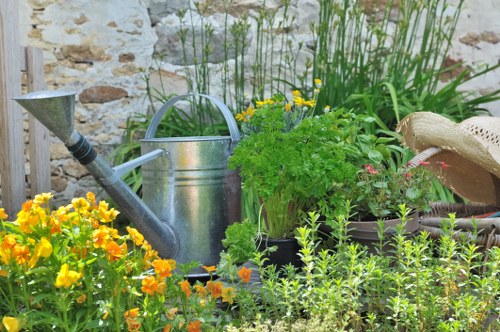
Some mowing jobs are part of a broader garden tidy that includes trimming, clearance or minor reshaping. In that situation, it makes sense to look at the overall condition of the outside space rather than treating the lawn as the only priority. Grass cuttings, hedge trimmings and overgrown corners can all affect the finish, so combining tasks can create a more coherent result. The aim is to leave the garden looking cared for rather than pieced together.
Where planting, paths and lawn edges all need attention, a broader maintenance plan can be helpful. That might include recurring mowing with occasional clear-downs at busier times of year, or a one-off visit when the garden has been allowed to run ahead of itself. If you want to see how the different service areas fit together, our services overview gives a simple summary of the main types of outdoor work offered.
We also provide information about the practical side of carrying out work safely and responsibly. If you would like to know more about this aspect of the service, our insurance and safety page explains the approach in broad terms. That can be useful for customers who want to understand how jobs are managed alongside access, tools and general on-site care.
About Camberwell
Camberwell is a district in south London within the London Borough of Southwark, with a history that reflects both older village origins and later urban development. It sits between other well-known parts of inner south London and has long been shaped by routes into and out of the city, local institutions and a changing residential landscape. The area includes a mix of housing styles, from surviving older terraces and mansion blocks to later estate buildings and infill development, which gives it a varied streetscape rather than a single uniform character. Camberwell Green acts as a familiar focal point, while nearby Denmark Hill is strongly associated with transport connections and major healthcare and academic institutions. The district is also notable for the presence of Ruskin Park, a sizable green space that provides open ground, tree cover and routes for walkers. Local architecture includes civic and institutional buildings as well as smaller commercial parades, reflecting the way the area has supported both everyday neighbourhood life and larger public functions. Camberwell Arts Festival has also become part of the district’s cultural identity, linking local creative activity with galleries, studios and community venues. The result is a part of London that feels established and lived in, with a street pattern and social history that still shape how the area is experienced today.
Hedges, overgrowth and the wider garden picture
Although mowing is the main service here, many gardens benefit from tackling adjacent overgrowth at the same time. Hedges can spill into lawn areas, shrubs can narrow access routes and taller growth can change how the garden is read from the house or path. When those features are left unchecked, the lawn often looks less tidy than it really is. A balanced cut can help, but the surrounding growth sometimes needs attention too.
That is why it is useful to think about the garden in sections. The grass may be the first thing that needs work, yet the result is often improved when boundaries are trimmed back and clutter is removed from around the lawn. For jobs where that is needed, a related service such as our hedge trimming page may be helpful alongside mowing. The most suitable combination depends on what is affecting the space as a whole.
Customers looking for a longer-term outdoor plan can also consider whether the garden would benefit from periodic improvement work as well as regular maintenance. In some cases, a simple mowing visit is enough. In others, the best result comes from pairing lawn care with a little extra shaping, clearing or surface tidying so the entire space feels more ordered from one end to the other.
Preparing the lawn for a neat finish

Before mowing, it helps if the lawn is reasonably accessible and free from loose obstacles that could interrupt the cut. Items such as toys, lightweight furniture and temporary garden debris can slow the work or obscure the edges. If the garden has narrow passages or uneven sections, a little preparation makes the process smoother and helps the finish look more consistent. Good access matters, but it does not need to be complicated.
If you are sending details for a quotation, a short description of the site is usually enough. Mention whether the grass is level or sloped, whether it has been cut recently, and whether you would like the clippings taken away or left in place where appropriate. Those small details help define the job clearly. Please ask for a quotation when you are ready, and we will take the next step from there.
For customers who want to compare the mowing service with other outdoor work, our landscaping page is a useful place to look at broader garden improvement options. If you prefer to begin with the basics, though, a well-cut lawn is often the best first move. It gives the garden a settled appearance and makes subsequent maintenance easier to judge.