Camberwell Council Garden Waste Rules for Gardeners: A Practical Guide to Staying Compliant and Keeping Jobs Moving
If you garden in Camberwell, waste management is not just a tidy-up task at the end of the day. It affects how quickly you finish a job, what you can leave on site, and whether your customer ends up with a neat garden or a messy pile that causes problems later. The Camberwell council garden waste rules for gardeners can feel a bit fiddly at first, especially when you are juggling hedge cuttings, turf, branches, and the odd bag of soil. But once you understand the basics, it becomes much easier to plan work properly, protect the client's property, and avoid unnecessary delays.
This guide breaks down the practical side of garden waste handling in a way that makes sense on the ground. You will find out what gardeners need to watch for, how garden waste is usually sorted, when extra care is needed, and which habits save time and stress. To be fair, this is one of those topics where a little knowledge saves a lot of hassle.
Why Camberwell Council Garden Waste Rules for Gardeners Matters
Garden waste sounds simple until you are standing in a front drive with a trailer full of mixed green waste, woody cuttings, and a couple of bags that are heavier than they looked. The rules matter because they shape how you separate, store, and remove waste from a site. If you get it wrong, you risk extra labour, unhappy clients, and waste that sits around longer than it should.
For gardeners, the biggest practical issue is not theory. It is workflow. If you know in advance what can go in a green waste pile, what needs to be bagged separately, and what should be treated as general waste or specialist material, the job runs smoother. You save your own time, the client's space stays usable, and you reduce the chance of a rejected collection or a last-minute return trip. Nobody enjoys that. Nobody.
There is also a presentation issue. A garden looks much better when the work finishes cleanly. Clipped hedges, lawn offcuts, and prunings should feel like part of a professional service, not the aftermath of one. That matters especially in a place like Camberwell, where front gardens, shared access, and neighbour visibility can make a tidy finish feel extra important.
If you run a regular maintenance round, you may find waste handling becomes a quiet marker of quality. Customers notice when you leave the path swept, the pile contained, and the space usable. They also notice when you do not. So yes, it is a compliance issue in a broad sense, but it is also a reputation issue.
How Camberwell Council Garden Waste Rules for Gardeners Works
At a practical level, garden waste rules usually revolve around separation, cleanliness, and collection readiness. Council expectations can vary by borough and service arrangement, but the general UK approach is familiar: keep garden waste free from contaminants, separate it from non-organic rubbish where required, and dispose of it through the appropriate route.
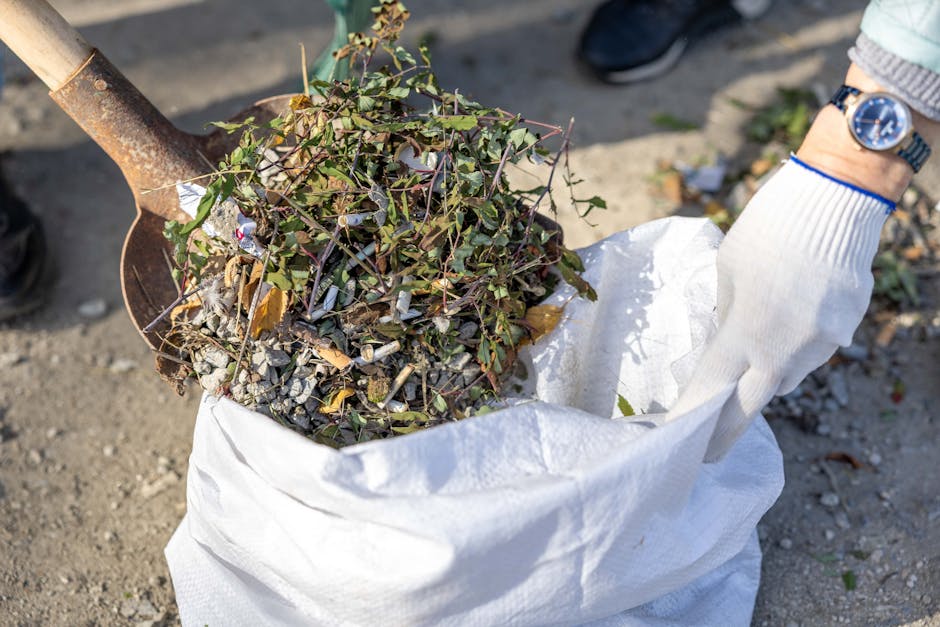
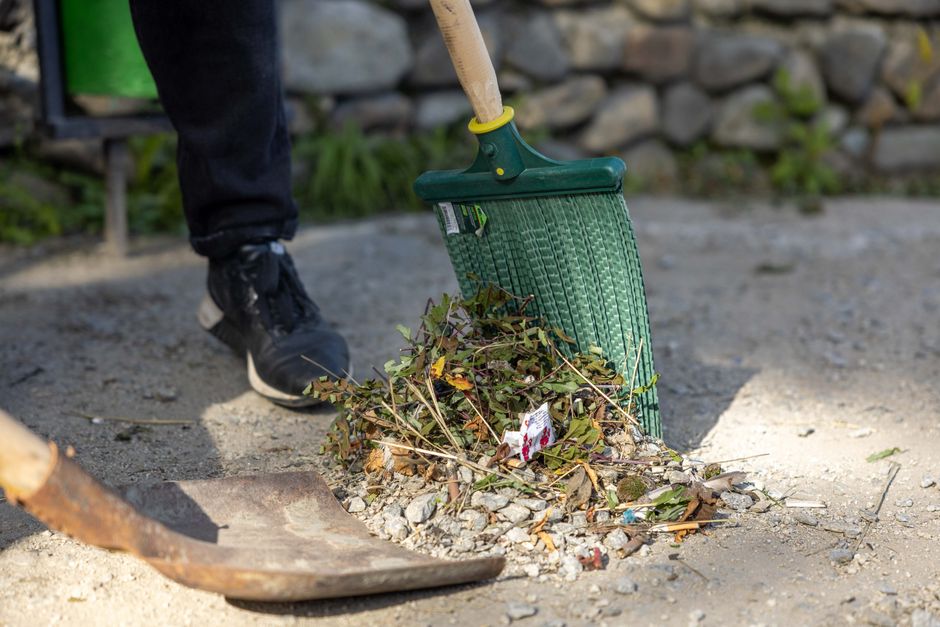
For gardeners, that normally means sorting material into sensible categories before you leave site. Grass cuttings, leaves, small prunings, and soft plant matter are straightforward. Bigger woody branches, roots, soil, stones, treated timber, plastic ties, plant pots, and general litter are not the same thing. Mixing them makes disposal harder and can cause rejection at transfer or disposal points.
In a typical working day, you might generate several waste streams without thinking about it:
- green waste from mowing and hedge trimming
- woody waste from pruning and light tree work
- soil and turf from border changes or landscaping
- general rubbish such as packaging, string, or broken containers
- occasional bulky material from clearances or redesigns
That is where a good system helps. Even a modest domestic garden can produce far more waste than expected after a seasonal cutback. Early autumn, for example, can be surprisingly busy: damp leaves underfoot, pruning piles by the fence, and the faint smell of cut grass hanging in the air while the bags keep multiplying. A bit poetic, maybe, but very real.
If your work includes routine upkeep, you may also want to think about how waste handling fits into the wider visit. Services such as garden maintenance, hedge trimming, and lawn mowing all create different waste volumes. Larger overgrown plots, meanwhile, often need more structured garden clearance planning before you even begin.
Key Benefits and Practical Advantages
Understanding the garden waste rules is not only about avoiding mistakes. It improves the quality of your work in quite a few quiet ways.
- Faster turnaround: when waste is sorted properly, loading and removal are quicker.
- Cleaner presentation: the site looks finished, not half-done.
- Less rework: you avoid having to unpack, re-sort, or return because something was mixed in.
- Better customer experience: homeowners feel more confident when the process is tidy and predictable.
- Lower risk of contamination: keeping green waste separate from plastics, soil, and rubble reduces disposal issues.
There is another benefit people often overlook: rhythm. When you work with a clear waste routine, the whole job flows better. You trim, collect, stack, bag, and clear in one sequence instead of bouncing back and forth. That matters on bigger jobs, especially if access is awkward or parking is tight. In Camberwell, that can happen more often than you think.
It also helps with planning quotes. If you know the likely waste output, you can estimate time and disposal effort more accurately. That means fewer awkward conversations later and less chance of the classic "oh, there was a lot more than I thought" problem. We have all seen that one.
For contractors offering broader outdoor work, the same mindset supports projects that involve landscape gardening, landscaping, or even related structural work such as decking services. The more varied the job, the more important waste separation becomes.
Who This Is For and When It Makes Sense
This topic matters to a wide range of people, not just full-time contractors. If you touch garden waste in any regular way, it is worth paying attention.
- Professional gardeners: especially those handling repeat maintenance visits or large clearances.
- Landscapers: because projects often involve mixed waste streams and phased removal.
- Property managers and landlords: who need predictable clean-up after seasonal work or tenant turnover.
- Homeowners doing DIY garden jobs: because the rules still matter even if you are only clearing your own plot.
- Small local crews: who need a practical, repeatable process rather than a complicated one.
It makes the most sense when a job produces more than one type of waste, or when you are working on a site with limited storage space. If you are only taking a small bag of lawn clippings to a local collection point, the process may feel straightforward. Once you start removing branches, roots, old planters, and soil at the same time, the picture changes quickly.
That is especially true for overgrown gardens. A client may think they need "just a tidy-up," but once the brambles come out and the shed side is visible again, you realise the job is more like a light clearance. A bit of caution here saves everyone from surprises later.
Step-by-Step Guidance
Here is a practical way to handle garden waste on site without overcomplicating the process.
- Walk the site before starting. Note where waste will build up, where you can stage bags, and whether access is narrow.
- Separate waste as you go. Keep green waste apart from soil, stones, plastics, and general rubbish from the start.
- Use the right containers. Strong sacks, reusable builders bags, or dedicated load space all help prevent spillages.
- Keep wet and heavy material under control. Damp cuttings and soil get heavy fast, which changes lifting and loading plans.
- Check for hidden contaminants. Look for wire, broken tools, plant labels, and small bits of plastic tangled in the cuttings.
- Stack woody waste separately. Branches, stems, and hedge trimmings may need a different handling approach than soft green waste.
- Clear the site properly. Sweep hard surfaces, remove loose debris, and leave access points tidy.
One useful habit is to pause halfway through a larger job and re-check the waste piles. It sounds basic, but it stops that awkward moment where the last load turns out to be a messy mix of clippings and rubble. If you have ever had a bag split open on a wet driveway, you will know why this matters.
For many gardeners, the smartest operational move is to align waste handling with the rest of the service. A services overview mindset helps here: think about the whole job, not just the visible task. If you are pruning, mowing, clearing, and reshaping in one visit, then waste removal should be built into the job plan from minute one.
Expert Tips for Better Results
A few small habits make a big difference. These are the sort of details that separate a decent job from a properly polished one.
- Cut waste down before bagging. Smaller pieces are easier to handle and less likely to bridge or snag in containers.
- Keep a "clean waste" pile and a "question mark" pile. If you are unsure whether something belongs in green waste, separate it until you decide.
- Use dry storage where possible. Wet waste is heavier and more awkward, especially if you need to move it by hand.
- Plan loading order. Put bulky branches in first, then lighter material, so the load stays stable.
- Do not ignore root balls and soil clumps. They can turn a simple green waste load into something much harder to dispose of.
If you work regularly in domestic gardens, think like a visitor would. What will the client see first when they look out of the kitchen window? What will they trip over, or notice by the side gate? These are small questions, but they shape the whole finish.
A practical tip from the field: keep a few spare bags and gloves in the van. Simple, yes. But when a pile turns out bigger than expected, a spare set of materials can save a whole afternoon. Not glamorous, but useful. Very useful.
If sustainability matters to your business or to your customers, it is worth making that part of your routine too. A sensible approach to recycling and sustainability can help you think more carefully about what should be composted, reused, separated, or removed as general waste.
Common Mistakes to Avoid
Most garden waste problems come from a handful of repeat errors. The good news is that they are easy to prevent once you know what to look for.
- Mixing all materials together: green waste, plastic, rubble, and soil should not be lumped in one pile.
- Underestimating volume: hedges and lawns produce far more waste than people expect, especially after a growth spurt.
- Leaving waste too long: damp piles smell, attract pests, and make a site look neglected.
- Forgetting access issues: if the only route out is narrow, you need a tighter plan for bags and wheelbarrows.
- Ignoring heavy loads: soil and wet clippings can be surprisingly tiring to move, and yes, they can catch you out.
- Failing to separate woody material: thick branches often need different handling from soft cuttings.
Another mistake is assuming every council-style approach works the same way everywhere. It does not. Local expectations, collection setups, and accepted materials can differ, so it is wise to treat the rules as specific to the area rather than guessing based on another borough. That sounds obvious, but people still do it.
And a small one, but important: do not leave clipped material across pavements, shared paths, or driveways where it can get blown about. A gust of wind on a dry day can turn a tidy pile into scattered debris in minutes.
Tools, Resources and Recommendations
You do not need a huge kit to handle garden waste properly, but a few reliable tools make the job much easier.
| Tool or Resource | Best Use | Why It Helps |
|---|---|---|
| Heavy-duty garden sacks | Grass, leaves, soft cuttings | Easy to fill, move, and stack safely |
| Reusable builder bags | Mixed light-to-medium garden waste | Good for larger jobs and tidy staging |
| Wheelbarrow | Moving waste from rear garden to loading point | Saves lifting and reduces strain |
| Rake and leaf blower | Final surface clean-up | Helps leave paths and lawns neat |
| Pruning saw or loppers | Reducing branch size | Makes woody waste easier to manage |
For service planning, it also helps to know where your business fits. If you provide regular upkeep, garden maintenance support can be the backdrop to waste control, while larger tidy-ups may need garden clearance coordination. If the job is mainly about shaping shrubs or reducing overgrowth, hedge trimming and careful cutting technique matter just as much as the disposal plan.
On the business side, your process should also be easy to explain. Customers like clear communication about timing, access, and what happens to the waste. If you need guidance on your service approach, the company's about us page and pricing and quotes information can help set expectations before work begins.
Law, Compliance, Standards, and Best Practice
When garden waste rules are mentioned, people often assume there is one simple answer. There usually is not. The safest approach is to follow current local council guidance, treat waste separation seriously, and make sure you are not placing unsuitable material into green waste streams.
From a best-practice perspective, that means a few things:
- keep garden waste free from plastics, metal, treated wood, and general rubbish
- do not mix soil or rubble into plant waste unless you know the disposal route allows it
- store and transport waste securely so it does not spill during movement
- use appropriate manual handling methods for heavy or awkward loads
- document unusual waste items internally so the job file is clear
For trades and small businesses, safety and insurance discipline matter too. If your team is handling sharp cuttings, heavy bags, or awkward access, the broader operational standards described on the site's health and safety policy and insurance and safety pages are worth understanding. That is especially true if waste needs to be carried through a house, shared side return, or narrow passage.
And one more thing: if you are ever unsure about a specific material, treat uncertainty as a signal to separate it, not to guess. That habit alone prevents a lot of trouble. Truth be told, most compliance issues begin with a rushed assumption.
Options, Methods, and Comparison Table
Different gardens call for different waste handling methods. A small city courtyard is not the same as a long rear garden with mature shrubs and thick borders. Here is a simple comparison of common approaches.
| Method | Best For | Pros | Watch Out For |
|---|---|---|---|
| On-site bagging | Light green waste and routine maintenance | Neat, controlled, easy to stage | Can become time-consuming on larger jobs |
| Bulk stacking | Branch-heavy work and clearances | Efficient for loading and sorting | Needs enough secure space and good organisation |
| Phased removal | Large projects over several visits | Reduces site clutter and keeps work moving | Requires better planning and communication |
| Mixed-load handling | Jobs with both green waste and non-green materials | Useful when a garden is being reset or redesigned | Needs careful separation to avoid contamination |
For many gardeners, the best method is not one method at all. It is a combination. Light cuttings go into sacks, branches get stacked, and anything uncertain gets isolated. Simple. Not always easy, but simple.
If the work sits alongside a bigger outdoor project, such as a layout change or hardscape update, waste handling should be planned alongside the job itself. That is where landscape gardening and broader landscaping considerations become part of the same conversation rather than an afterthought.
Case Study or Real-World Example
Imagine a typical Camberwell garden after several weeks of growth. The front hedge has pushed out over the path, the lawn is patchy with clippings from a late cut, and the rear border has a mix of dead stems, green trimmings, and a few forgotten plant pots near the shed. Nothing dramatic. Just one of those jobs that looks harmless until you start.
The first pass is straightforward: cut back the hedge, mow the lawn, and clear the loose clippings. Then the hidden waste appears. A root cluster near the border, two broken pots, some twine, and a small heap of soil from an old plant removal. If you were not sorting carefully, that all ends up in one pile and turns disposal into a headache.
In a better run, the gardener separates the green waste from the start, keeps woody cuttings to one side, and bags the non-organic bits separately. The result is boring in the best possible way: the garden is tidy, the load is manageable, and the client can actually use the space straight away. No debris on the paving. No mystery pile by the side gate. Job done properly.
This is also where professional service coordination matters. A team that handles tree lopping and removal or more intensive clearance work will often need a more formal waste plan than a simple mow-and-blow visit. The point is not to complicate things. It is to match the method to the job.
Practical Checklist
Before you leave a site, run through this quick checklist. It is short on purpose.
- Have all green waste materials been separated from general rubbish?
- Are soil, stones, and rubble kept out of the plant waste load?
- Have you removed plastic ties, labels, and stray packaging?
- Are bags or loads secure and easy to move safely?
- Have you reduced bulky branches into manageable pieces?
- Is the access route clear and free from spillages?
- Have paths, drives, and entrances been swept clean?
- Does the remaining waste match the agreed service scope?
- Have you checked for any unusually heavy or contaminated material?
- Would the site look acceptable to the client right now, in daylight, with the gate open?
If the answer to any of those is no, take another minute. It is nearly always worth it.
Get a free quote today and see how much you can save.
Conclusion
Camberwell council garden waste rules for gardeners are really about working neatly, separating waste properly, and planning disposal before the pile gets out of hand. Once you build that into your process, the whole job becomes cleaner, faster, and far less stressful. You waste less time, the client sees a better finish, and you avoid the kind of small problems that can become big ones if ignored.
The best gardeners are not just good with plants. They are organised with the bits nobody else wants to think about. And honestly, that is part of the craft. A clean load, a tidy path, a sensible waste plan - it all counts.
If you want to keep your garden work professional and hassle-free, start with the waste. The rest tends to fall into place after that, more or less.
Frequently Asked Questions
What counts as garden waste for gardeners in Camberwell?
Garden waste usually includes grass cuttings, leaves, hedge trimmings, small branches, plant stems, and similar organic material. Soil, rubble, plastics, treated wood, and general rubbish are usually handled differently.
Can I mix green waste with soil or small stones?
It is better not to. Mixed loads are harder to handle and can cause disposal problems. Keep soil, stones, and rubble separate unless you are certain the disposal route accepts them together.
Do the Camberwell council garden waste rules apply to private gardeners too?
Yes, the basic principles still matter for private work. Even if you are only maintaining your own garden, proper separation and clean disposal help avoid issues and keep things tidy.
What is the safest way to handle hedge trimmings?
Cut them down into manageable lengths, keep them in a dedicated pile or sack, and make sure they are free from plastic ties or other contamination. Hedge work can produce a lot of volume very quickly.
How do I deal with wet grass cuttings?
Wet cuttings are heavier and can compact into awkward, slippy loads. Use strong bags, avoid overfilling, and move them sooner rather than leaving them to mat together.
What should I do with branches and thicker woody waste?
Stack them separately from soft green waste. If the material is bulky, reduce it with pruning tools so it loads safely and does not create unstable piles.
Is garden clearance different from regular maintenance waste?
Yes. Garden clearance usually involves a larger, more mixed volume of waste and often requires more sorting and staging. Routine maintenance tends to be lighter and more predictable.
How can I avoid waste getting rejected?
Keep loads clean, separate materials carefully, and do not mix in items like plastic, metal, treated timber, or rubble. Rejection is usually caused by contamination or poor sorting.
What is the best way to plan waste removal on a busy job?
Walk the site first, estimate the likely volume, stage your bags or piles in advance, and separate material as you cut. A little planning at the start saves a lot of dragging things around later.
Do I need special equipment for garden waste handling?
Not always, but heavy-duty sacks, a wheelbarrow, pruning tools, and good gloves make life much easier. For larger jobs, reusable bulk bags and a clear loading system help a lot.
Why does waste management matter so much for professional gardeners?
Because it affects efficiency, safety, presentation, and customer satisfaction all at once. A neat waste routine helps you finish well and keeps the whole service looking professional.
Where can I get more help with garden work in Camberwell?
If you are organising a larger project or want support across trimming, mowing, clearance, and ongoing upkeep, it can help to look at the full range of services and company information available on the site, including services overview and contact us.